
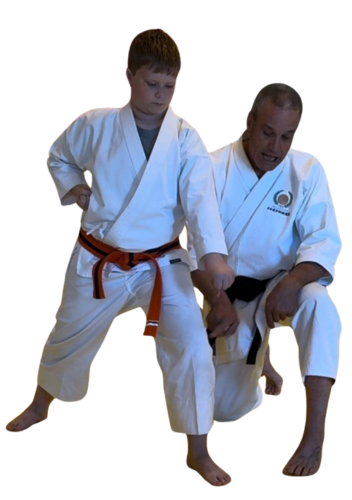
Value vs. Cost: What Are You Really Paying for in Karate Classes?
When choosing a karate school, one of the first things many families consider is the price. How much is tuition? Are there registration fees? What equipment will be needed? These are important questions, but they only tell part of the story.
The real question is not simply, “How much do karate classes cost?” It is, “What value will my family receive from karate training?”
Cost Is What You Pay. Value Is What You Gain.
Cost is easy to measure. It is the amount of money paid each month for classes. Value, however, is measured in the benefits students receive over time.
A quality karate program offers much more than kicks, punches, and belt promotions. It helps students develop discipline, confidence, respect, focus, perseverance, coordination, and self-control. These are life skills that can benefit students at school, at home, at work, and in their relationships with others.
While two karate schools may charge different prices, the experience they provide may be very different.
What Makes a Karate Program Valuable?
1. Quality Instruction
Great instructors do more than demonstrate techniques. They understand how to teach, motivate, correct, and encourage students. They create an environment where beginners feel welcome and experienced students continue to grow.
2. Character Development
Karate is not just about learning how to defend yourself. It is also about learning when to use self-control, how to show respect, and how to respond to challenges. A strong program reinforces these values consistently.
3. Individual Attention and Progress
Every student learns at a different pace. Valuable instruction recognizes individual needs, provides constructive feedback, and helps students work toward meaningful goals. Progress should be measured not only by belt color but also by improved attitude, effort, skill, and confidence.
4. A Safe and Supportive Environment
Students learn best when they feel safe, encouraged, and respected. A well-run karate school establishes clear expectations, maintains appropriate safety practices, and promotes positive relationships between instructors and students.
5. Benefits Beyond the Dojo
The greatest results often appear outside class. Parents may notice improved listening, better concentration, greater willingness to try difficult tasks, and increased confidence. Adults may discover improved fitness, stress management, and a renewed sense of personal achievement.
These benefits are difficult to put a price tag on.
Why the Cheapest Option Is Not Always the Best Value
Choosing a karate school based solely on price can mean overlooking important differences in instruction, class structure, safety, student support, and opportunities to progress.
At the same time, a higher price does not automatically guarantee a better program. Families should look beyond marketing promises and evaluate what is actually included.
Ask questions such as:
- Are the instructors experienced, qualified, and effective teachers?
- Is the curriculum organized and appropriate for the student’s age and ability?
- Are classes structured to keep students engaged and learning?
- Does the school emphasize respect, discipline, and personal responsibility?
- Are the schedule, fees, and contractual commitments clearly explained?
- Can students receive individual guidance and progress at a reasonable pace?
The goal is not to find the most expensive school or simply the least expensive one. It is to find the school that provides the best overall experience for the investment.
Think About the Long-Term Return
Karate training is a process. Students develop skills through consistent practice, patience, and effort. The benefits often become more noticeable over months and years, rather than after a handful of classes.
A student who learns to persevere through frustration may carry that lesson into schoolwork. A child who gains confidence through practice may become more willing to participate in new activities. An adult who commits to regular training may build healthier habits and a stronger sense of accomplishment.
These outcomes are not guaranteed, and they depend on the student, the instruction, and consistent participation. But they illustrate why karate can be about much more than the monthly tuition payment.
An Investment in Personal Growth
Every family has a budget, and the cost of karate classes should be reasonable and transparent. There is nothing wrong with comparing prices or asking what tuition includes.
However, when evaluating a karate school, consider the full picture: the quality of teaching, the learning environment, the skills being developed, and the positive habits students are encouraged to build.
Cost determines what you pay today. Value reflects what you receive over time.
The right karate program does more than teach martial arts techniques. It gives students opportunities to challenge themselves, build confidence, practice discipline, and develop skills they can use throughout their lives.
When you look beyond the price tag and consider the bigger picture, you may discover that the true value of karate extends far beyond the dojo.